
Opt2Restore
Aging-in-Place & Home Modification Assessments
Home safety assessments, accessibility recommendations, universal design guidance, and home modification support for safer, more confident living.
In person across Long Island, NYC and Westchester. Virtual assessments nationwide.
or call 516-810-0330 to speak with our team
Comprehensive Assessment
A Safer Home Starts with Understanding How You Live
Home Safety Evaluation
We identify fall hazards and practical ways to improve entrances, walkways, lighting, flooring, stairs, and everyday movement.
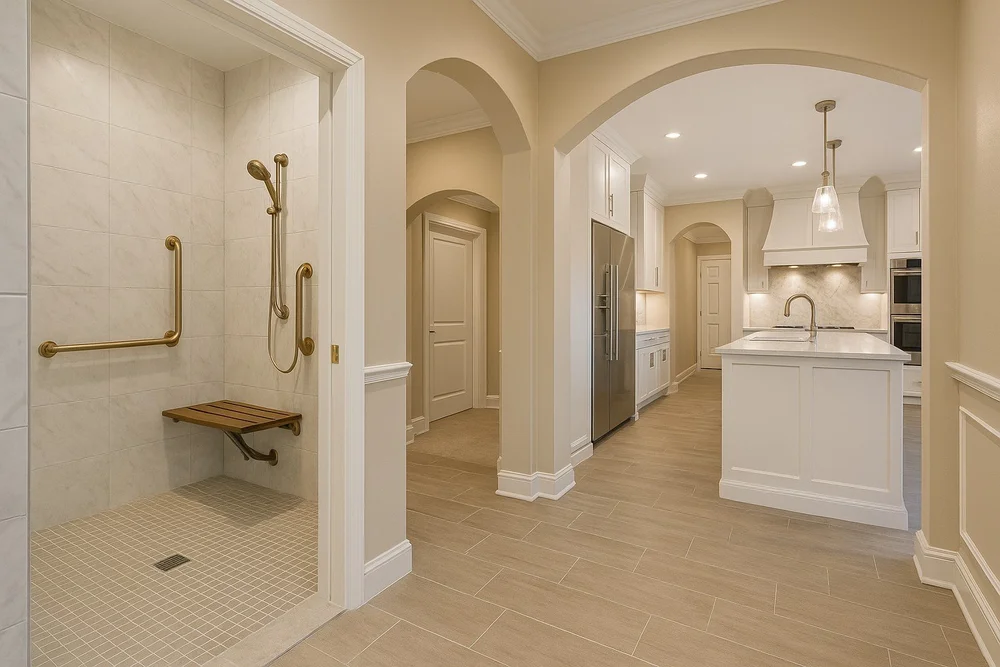
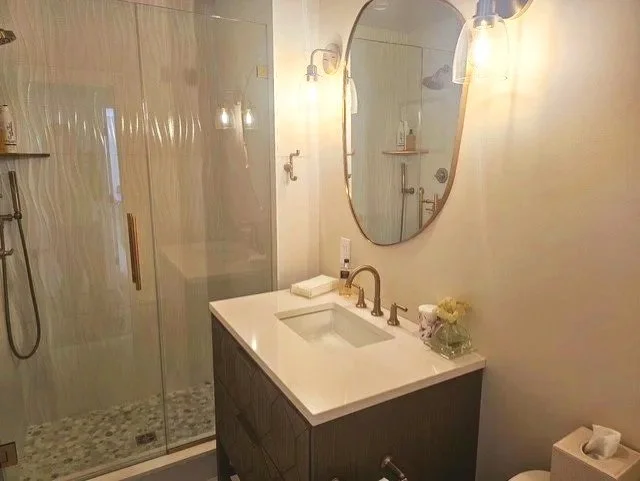
Bathroom Safety
Recommendations may include grab bars, accessible bathing, non-slip surfaces, safer fixtures, and easier-to-reach storage.
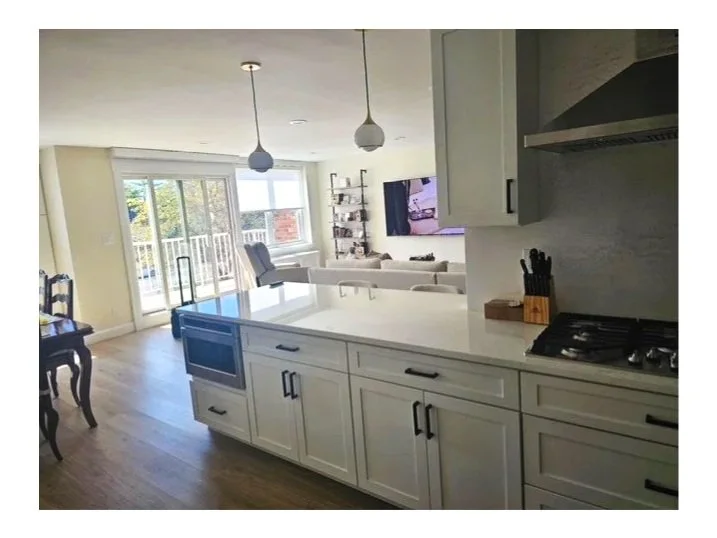
Kitchen Accessibility
We assess storage, work areas, seating, flooring, and mobility pathways to support safer meal preparation and daily routines.
Available Nationwide
Virtual Aging-in-Place Assessments
Live far from a parent or loved one? Opt2Restore provides virtual home assessments by secure video, so families anywhere in the United States receive clear, rehab-led guidance without needing to be in the home.
How It Works
Schedule a free consultation to discuss your loved one’s needs and the home.
Guided video walkthrough of the home with a family member or caregiver, led room by room.
Receive a written, prioritized plan within five business days, with practical recommendations you can act on.
Ideal For
Adult children living out of state, families planning ahead, homes outside our in-person service area, and builders or architects seeking design and plan reviews.
Virtual assessments are consulting services focused on the home environment and do not include physical therapy evaluation or treatment.

Prevention
Fall Prevention Is a Top Priority
Our rehabilitation-informed approach focuses on reducing fall risk, improving confidence, and helping people move more safely at home and in the community.
- Safety and accessibility recommendations tailored to the individual
- Strength, balance, and mobility guidance
- Practical education for individuals, families, and caregivers
Your Plan
Prioritized Recommendations You Can Act On
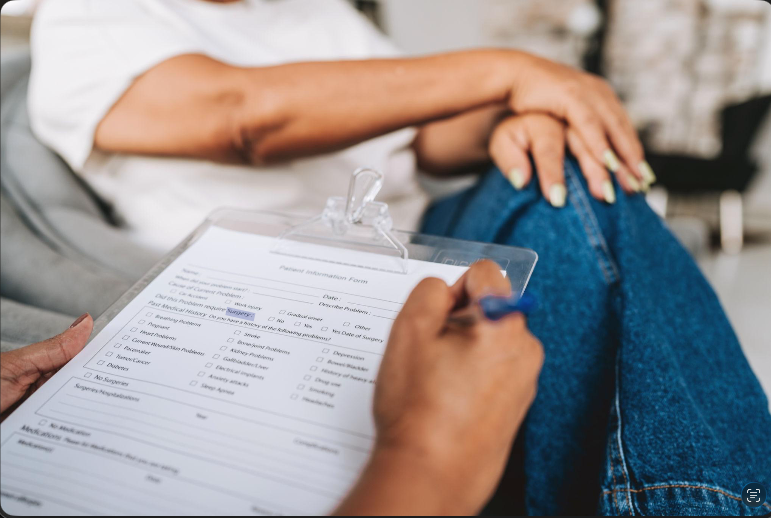
Every assessment includes clear findings and a practical plan organized by urgency.
High risk: address immediately
Moderate risk: plan improvements soon
Low risk: monitor and prepare for future needs
Rehabilitation-Informed Planning
Home Safety Support for Geriatric Fall Prevention
Fall prevention is not only about exercise. A safer environment can support balance, transfers, stairs, walking confidence, and daily mobility.
Service Area
Aging-in-Place Services Across New York
Nassau and Suffolk Counties, all five New York City boroughs, and Westchester. Remote drawing review and specification available nationwide.
Local Resources
Explore Local Service Pages
Find detailed information about aging-in-place support and home modification services in Nassau County communities.
Frequently Asked Questions
Aging-in-Place Assessment FAQs
What is an aging-in-place assessment?
It reviews the home environment, mobility needs, fall risks, and accessibility concerns to create a safer plan for living at home.
What does the assessment include?
It may include home safety evaluation, fall-risk identification, bathroom and kitchen recommendations, lighting, mobility pathways, and guidance for safer daily activity.
Do you recommend home modifications?
Yes. Recommendations may include grab bars, lighting, flooring, bathroom changes, and accessibility-focused improvements.
Is this service only for older adults?
No. It may also help people recovering from surgery, managing neurological or mobility conditions, or planning proactively for long-term living.
Can family members or caregivers participate?
Yes. Their participation can help recommendations support caregiving needs, routines, and long-term safety.
Are these services covered by insurance?
Coverage depends on the service and plan. Some services may qualify under therapy benefits; others may be private pay or potentially HSA/FSA eligible.
See it in practice: Why She Kept Falling: a woman in her 90s whose assessment found multiple contributing factors, not just the home. A Bathroom That Looked Accessible: a renovated bathroom with grab bars that still held four barriers for a wheelchair user. And Planning for Care Before the Walls Close: a virtual design review that changed one floor plan before construction began.