
Nassau County, New York
Geriatric Physical Therapy for Older Adults at Home
Personalized, one-on-one physical therapy for older adults who want to improve strength, balance, mobility and confidence in the comfort of home.
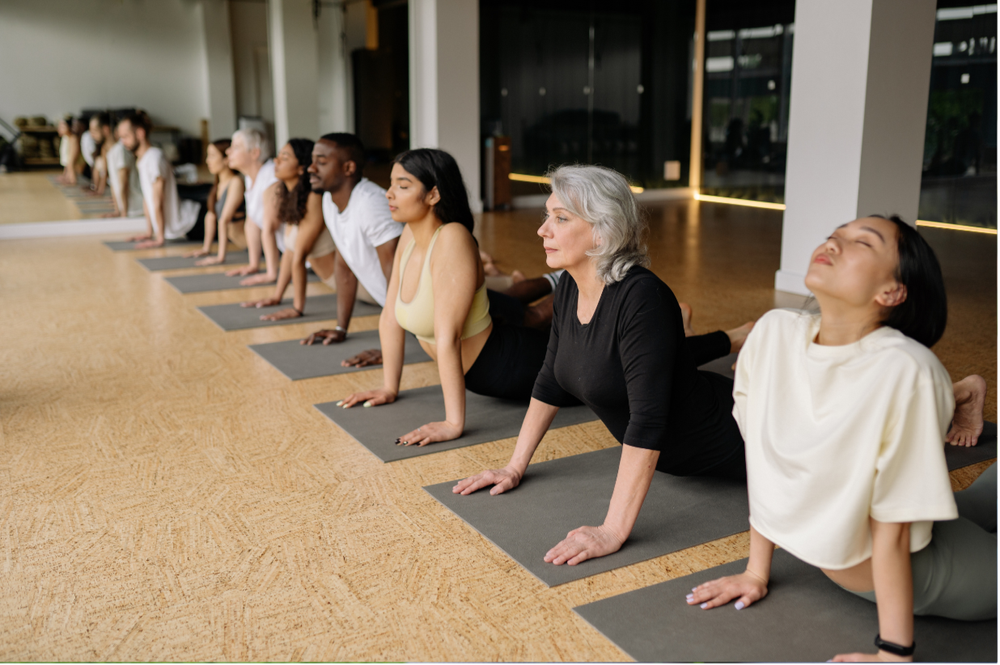
Geriatric Physical Therapy
Therapy Focused on Safer Movement and Greater Independence
Changes in strength, balance, endurance and mobility can make everyday activities more difficult. Opt2Restore provides personalized physical therapy in the home environment so treatment can focus on the movements and challenges that matter most in daily life.
Daily Mobility
Move More Safely at Home
Practice walking, transfers, stairs and everyday movements in the environment where they actually occur.
Strength and Balance
Build Confidence With Movement
Improve lower-body strength, balance reactions, coordination and endurance with a personalized program.
Independence
Support Meaningful Daily Activities
Work toward practical goals such as getting out of a chair, navigating stairs and walking through the home safely.
When to Consider Therapy
Geriatric Physical Therapy May Help When You Notice
- More difficulty getting up from a chair or bed
- Recent falls, near-falls or increasing fear of falling
- Slower walking, shorter steps or reduced endurance
- Reliance on walls, furniture or another person for support
- Difficulty climbing stairs or entering the home
- Weakness after hospitalization, surgery or rehabilitation
- Reduced participation in normal daily activities
- New concerns about balance, pain or mobility

What We Help Address
Conditions and Mobility Challenges
Treatment is based on the individual's medical history, functional needs, home environment and personal goals.
Balance
Falls and Fall Risk
Balance training, strengthening and practical movement strategies designed to improve safety and confidence.
Strength
Weakness and Deconditioning
Progressive exercises to rebuild strength and endurance after illness, inactivity or hospitalization.
Mobility
Walking and Stair Difficulty
Gait training, stair practice and mobility-device education for safer movement throughout the home.
Recovery
Post-Hospital and Post-Surgical Care
Personalized rehabilitation following surgery, hospitalization or a stay in a rehabilitation facility.
Comfort
Arthritis, Pain and Stiffness
Movement, strengthening and mobility strategies that support function while respecting pain and medical limitations.
Complex Needs
Neurologic and Chronic Conditions
Functional therapy for individuals living with chronic health conditions, neurologic changes or reduced activity tolerance.
What to Expect
What Happens During In-Home Physical Therapy
Each plan is personalized, but the process generally follows three clear steps.
Initial Evaluation
Understand Mobility and Safety Needs
Review health history, current concerns, strength, balance, walking, transfers, stairs, daily routines and the home environment.
Personalized Treatment
Practice Meaningful Daily Movement
Treatment may include strengthening, balance exercises, gait training, transfer practice, stretching and functional movement.
Home Guidance
Continue Progress Between Visits
Receive a customized home program, practical safety strategies and caregiver education when appropriate.
Fall Prevention
Geriatric Fall Prevention and Balance Training
Care focuses on improving the physical skills needed for safer movement while identifying everyday challenges that may increase fall risk.
Stability
Balance Training
Standing balance, coordination, walking stability and real-life movement practice.
Strength
Safer Transfers and Movement
Targeted strengthening for standing, walking, stair use and daily activities.
Prevention
Fall-Risk Reduction
Identify movement limitations and practical home-safety concerns that may contribute to falls.
Confidence
Walking and Stair Practice
Improve confidence through gait training, transfer practice and stair navigation.
Visits may also include home-safety recommendations, caregiver education and personalized exercises.
Book a Fall-Prevention Evaluation →
Real-Life Goals
Therapy Built Around the Activities That Matter
Progress is not only measured by exercise performance. Treatment can focus on practical goals that support everyday life.
- Walk safely between rooms
- Get out of a chair with less assistance
- Navigate stairs with greater confidence
- Return home more safely after hospitalization
- Reduce fear during everyday movement
- Participate more fully in family and community activities
Why Opt2Restore
Personalized Therapy in the Environment Where You Live
One-on-One Care
Visits are centered on the individual's needs, goals and pace.
Functional Treatment
Therapy focuses on meaningful activities such as walking, transfers, stairs and daily routines.
Home-Based Insight
Treatment occurs where mobility challenges and safety concerns actually happen.
Collaborative Planning
Care can include communication with family members, caregivers and healthcare professionals when appropriate.
Frequently Asked Questions