
Resources
Aging-in-Place & Home Safety Resources
Trusted reading for families navigating aging in place, fall prevention, recovery, mobility, and long-term care planning across Long Island and New York City.
Featured Reading
Research and Guidance for Safer Living
Use these independent resources to support conversations and decisions about home safety, independence, accessibility, and proactive planning.
Opt2Restore Research
Aging-in-Place & Falls Prevention Evidence Fact Sheet
Research-backed statistics on falls, healthcare costs, home accessibility, and the effectiveness of professional assessments and home modifications.
The New York Times
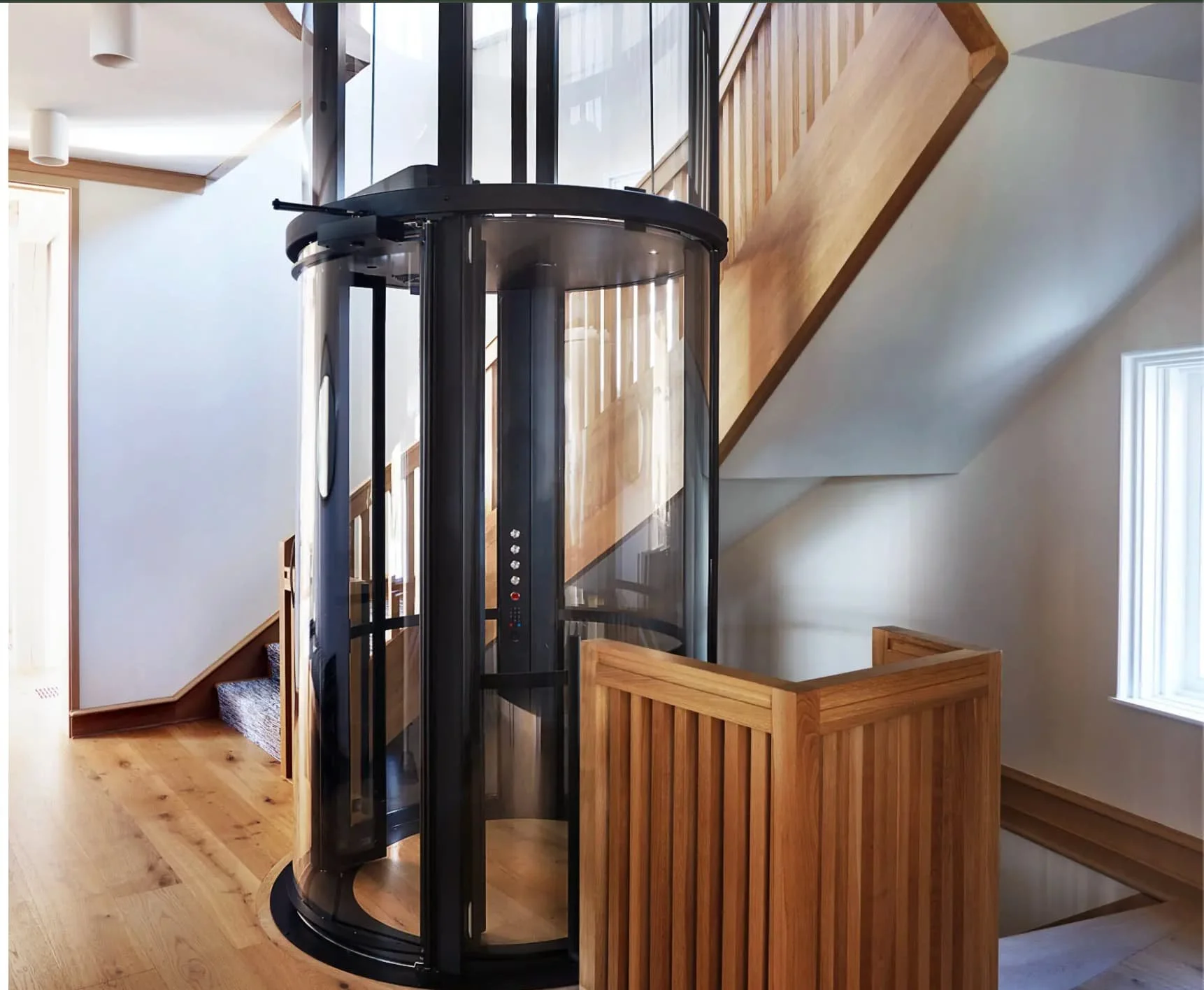
How to Age in Place Stylishly
Ideas for blending safety, accessibility, and home design without sacrificing comfort or style.

The New York Times
Talk to Your Parents
Guidance for starting important conversations about safety, health, and future care before a crisis.

Times Union
Home Modifications and Costs
An overview of common home modifications and the costs of improving long-term safety and accessibility.

AARP
Home and Community Preferences
Research on where adults want to live as they age and the importance of remaining independent at home.

CDC
Injury and Fall Prevention Data
Data on the health and economic impact of injuries and falls and the value of prevention.
Wirecutter
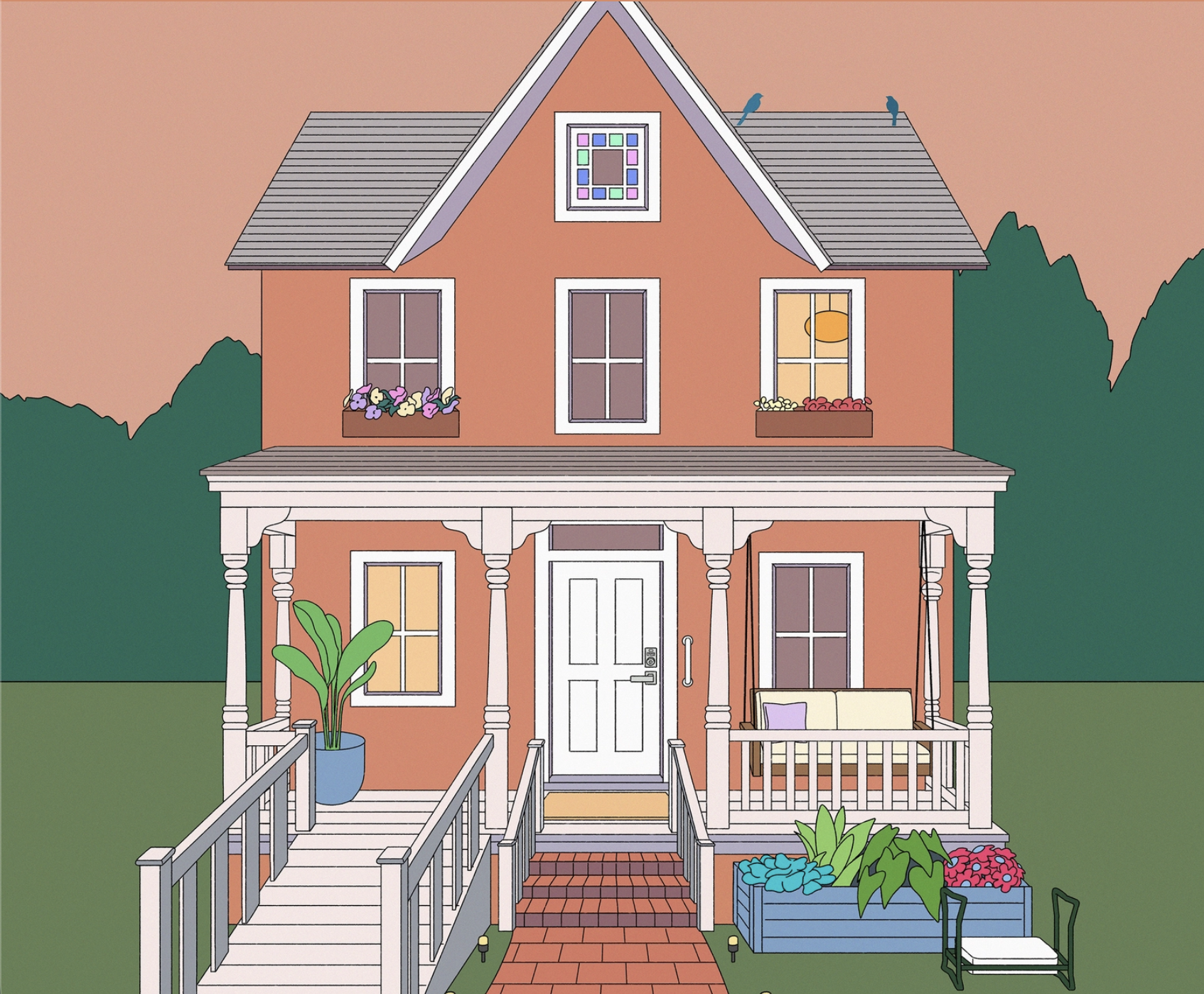
Accessibility and Aging
Practical home upgrades that can reduce fall risk, improve mobility, and support independent living.
Home Safety Funding
Does Medicare Pay for Grab Bars?
No. Medicare covers your therapy and some medical equipment, but it does not pay for grab bars, ramps, railings, stair lifts or bathroom modifications. That surprises most families, and it usually comes as a surprise at the worst possible moment, a few days before someone comes home from the hospital.
The good news is that several New York programs exist specifically to fill that gap. Below is what they are, who qualifies, and the first call to make. Programs change, so confirm the details before you sign a contract or pay a deposit for any work.
Last reviewed:
One exception worth a phone call
Some Medicare Advantage plans include a small in home safety benefit or an over the counter allowance that can cover grab bars, shower chairs or similar items. Original Medicare does not. Call the number on the back of your insurance card and ask what your plan covers for home safety.
Programs that do pay
RESTORE (opens the official program page in a new tab)
New York State Homes and Community Renewal
- Who qualifies
- Homeowners age 60 and over who live in the home, with household income at or below 100 percent of area median income.
- How much
- Up to $20,000 for emergency repairs and code violations that threaten health, safety or livability.
- How to start
- You cannot apply to the state directly. Local nonprofits and municipalities administer the program. Call Aging Connect or NY Connects and ask who runs RESTORE for your address.
Access to Home (opens the official program page in a new tab)
New York State Homes and Community Renewal
- Who qualifies
- A documented substantial limitation caused by a disability, with household income at or below 80 percent of area median income. A higher income limit applies to certain disabled veterans. Renters qualify with the property owner's written approval.
- What it covers
- Ramps, lifts, handrails, stair glides, wider doorways, roll in showers, kitchen and bathroom modifications, and relocating a bathroom or bedroom to the first floor.
- How to start
- In New York City the program is administered by the New York Foundation for Senior Citizens. Call (212) 962-7559.
HISA Grant (opens the official program page in a new tab)
U.S. Department of Veterans Affairs
- Who qualifies
- Veterans enrolled in VA health care. Up to $6,800 lifetime for a service connected condition, or a non service connected condition rated 50 percent or more. Up to $2,000 for other non service connected conditions. Renters qualify with the property owner's notarized permission.
- What it covers
- Medically necessary changes, including getting in and out of the home, reaching the bathroom, sink and counter access, entrance ramping, and wiring or plumbing for home medical equipment.
- How to start
- VA Form 10-0103 (opens the official form page in a new tab), submitted through the Prosthetics and Sensory Aids Service at your VA medical center. You will need written justification from a VA physician.
Environmental modifications through Medicaid (opens the official program page in a new tab)
Medicaid waiver programs and managed long term care
- Who qualifies
- People on Medicaid enrolled in a waiver program such as NHTD or TBI, or enrolled in a managed long term care plan.
- What it covers
- Home modifications, often called e-mods, are a covered waiver service when they are tied to a documented need.
- How to start
- Ask your care manager or your plan for an environmental modification evaluation, and put the request in writing.
Local repair help in New York City
- Homeowners
- Call 311 and ask about HomeFix (opens the official program page in a new tab) for owner occupied one to four family homes.
- Volunteer repairs
- Rebuilding Together NYC (opens the official site in a new tab) performs safety work for older adults at no cost. Ask specifically about grab bar installation.
- Everyone
- Your local older adult center often knows about handyman and repair programs that are never advertised. Ask at the front desk.
If you rent
Renting does not mean you are stuck. It changes the order of operations.
- No permission needed: non slip strips, a raised toilet seat, a tub bench, brighter bulbs, night lights, taping down cords, removing loose rugs.
- Permission needed: anything screwed into a wall. That means the landlord, the co-op board or the management office. Ask in writing and keep the reply.
- Ask as a reasonable accommodation, not a favor. Fair housing law protects a tenant's right to request accessibility modifications, and a letter from your doctor or therapist supports the request.
- Suction grab bars are not a substitute for a bar bolted into a stud. Use them for steadying yourself, never to catch a fall.
Numbers worth keeping
| Number | What it is |
|---|---|
| (212) 244-6469 | Aging Connect, NYC Department for the Aging. Weekdays 8:30 to 5:30. |
| 311 | New York City information, any hour. |
| 1-800-342-9871 | NY Connects, statewide help with long term care and home services. |
| 1-800-677-1116 | Eldercare Locator, national. |
| 1-800-698-2411 | VA benefits. |
Free download: Walk Your Home
Twenty four checks, from the front door to the side of the bed, in the order you actually move through your day. Print it, walk your home, and count the boxes you could not tick. Page two lists the funding programs above.
Download the checklist, PDF, 2 pages
No email required.
When funding is not the hard part
Knowing a program exists is not the same as knowing what to change. Most families do not need every modification on a list. They need the two or three that match how a specific person moves through a specific home, in the right order, done in a way that a clinician would sign off on.
That is what a rehab led home safety assessment provides: a physical therapist evaluating mobility, function and the environment together, then translating that into a clear scope of work that contractors and family members can actually follow.
Request a home safety assessment
General educational information about public programs. It is not a medical evaluation and does not replace advice from your own physician or therapist. Eligibility rules, funding rounds and dollar limits change without notice. Confirm details directly with each program before you sign a contract or pay a deposit.
Planning Ahead
Why Aging-in-Place Planning Matters
Aging in place can help people remain in familiar surroundings while maintaining independence, safety, and quality of life. Planning early can reduce fall risk, improve mobility, and make future decisions less stressful.
Opt2Restore helps translate information into action through in-home physical therapy, care-transition planning, home-safety assessments, and accessibility guidance.